Introduction of Tool for Clamping:
In all workshops whether you are a beginner DIY’er, a pro carpenter, or metal work expert you will find that the same basic set of clamping tools is present. Clamps play a key role in the secure hold they provide for materials which in turn increases accuracy, safety, and efficiency in the course of the work. From putting together wooden furniture to welding complex metal parts the right clamp can mean the difference between a perfect finish and a very disappointing result.
In this in depth guide we will look at what makes clamping tools an essential in woodworking, metal working, and DIY projects. We will cover the different types of clamps out there, what they are used for and how to choose the right one for secure clamping of materials. Also we will present pro tips, point out common errors, and throw in a fun quiz to see what you know!
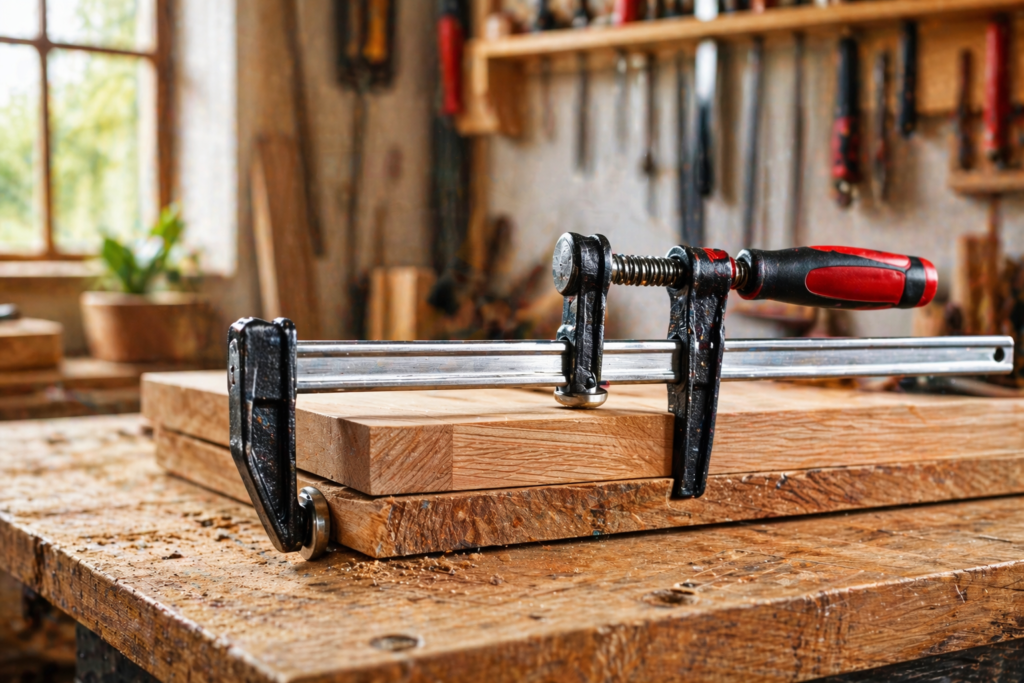
What does a Clamping Tool do?
A clamping device is a mechanical tool which holds materials tight to not allow for movement or separation during work. The main role of clamping devices is to keep work pieces stable and in alignment while cutting, gluing, welding, or assembling. That stability in turn improves the precision and quality of the work.
Basic Working Principle
Clamp tools that which apply pressure to materials, securing them in place between two jaws or surfaces is what they do. The pressure is adjustable for each task which in turn means the work piece is a perfect fit and not damaged by too great of force.
Common Materials Used
Clamp designs are of a very tough material like steel, cast iron, or reinforced plastic. In the heavy-duty applications steel, which is hardend is the choice of clamp, where as for do-it-yourself quick repairs or for very delicate materials plastic clamps are to be used.
What is the value of clamping tools?
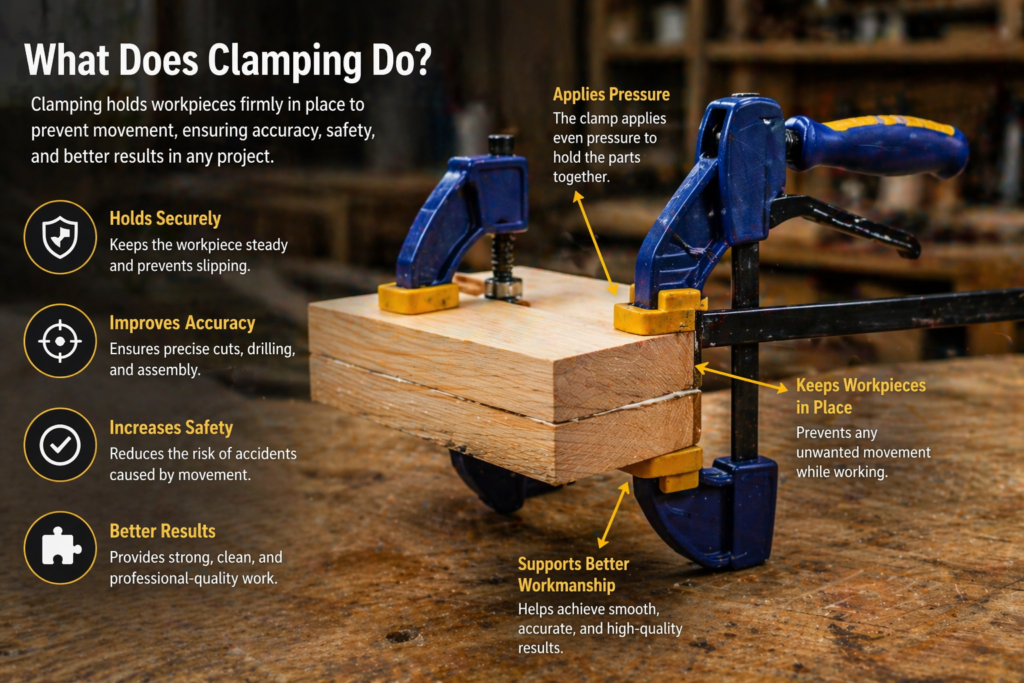
Clamp tools are out of the ordinary they are fundamental to holding work pieces in many projects. Here’s why:
Prevent Movement While Working: Clamps which secure materials for use in critical tasks like sawing, drilling or welding.
Improve Precision and Quality: By stopping movement which is what clamping tools do they also allow for precise cuts, perfect joints, and professional results.
Increase Safety in Workshops: Secure attachment of workpieces reduces the risk of slips and accidents which in turn protects the project and the user.
Essential for All Skill Levels: In all stages of your career whether you are just starting out or are a pro the right clamping tool will make a task that much easier and safer.
Types of Force Application Tools.
There is a wide range of clamps which you will see that are for different purposes. By familiarizing yourself with what is available you will be able to pick out the best one for each of your projects.
- 1st Bar Clamps.
Bar clamps are the go to choice in the wood working world which is a result of their long reach and adjustability. We have a metal bar which is the base of the clamp with attached adjustable arms that when tightened secure large and wide wood pieces.
Best for: Woodwork, furniture assembly, and large panels.
Features: Adjustable high pressure which is great for gluing and joining.
- Two C-Clamps.
C type clamps which also go by the name G clamps got their moniker from their shaped frame which is C like in form. These clamps also have very strong hold and are used mostly in metal work for welding and fabrication.
Best for: Metal work, welding, and working with heavy materials.
Features: Strong and reliable but small range of jaw opening.
- Spring Loaders.
Spring clamps are of light weight, go on and off very quickly, also they are best for small scale jobs. They feature a spring which allows for easy one-handed use and thus are very handy for securing small components or material which require temporary support.
Best for: Small home craft projects or holding glue joints.
Features: Quick, easy application, portable, affordable.
- Tube Clamps.
Pipe clamps are for large scale projects like putting together tables or frames. They have a main body of long pipes which allows for adjustability in length and great clamping force.
Best for: Large scale woodworking or metalworking projects.
Features: Custom made length, very strong, great for professional workshops.
- Bench Vises.
Bench clamps which are attached to workbenches provide a stable hands free hold. They are very useful for repeat tasks and precision work.
Best for: Work spaces which are secure for sawing, filing, or sanding.
Features: Constant feature, dependability, great at fine work.
Other Notable Types: Toggle clamps, hand clamps, F clamps and also specialty clamps for unique applications.
Common applications of clamps.
Clamp tools are very flexible and used for a large variety of tasks:.
Woodworking Projects: From cabinet making to chair assembly, the best tool for clamping wood is that which produces perfect joints and stable assembly.
Welding and Metalwork: Metal clamps for welding which hold parts in place, which in turn allows for precise and secure welds.
DIY Home Repairs: Clamps are a great tool for home improvement projects which include fixing frames or gluing broken items.
Gluing and Assembly Work: Clamps which is what we use apply even pressure during the glue process which in turn prevents gaps and forms strong bonds.
How do you choose the right tool for clamping?
With a large range of products to choose from the task of picking the right clamp tool may feel daunting. Here is how to choose the best one for you:.
Consider the Material Type
Wood: For in woodworking which clamps to choose go for bar clamps, pipe clamps, or spring clamps based on project size.
Metal: Use heavy duty C clamps or special metal clamping tools for welding and fabrication.
Plastic or Delicate Materials: Go for hand clamps or spring clamps which will protect sensitive surfaces.
Size and Strength of Clamp:
Small Projects: Hand tools like clamps and spring clamps are for crafts and minor repairs.
Large Projects: Pipe and bar clamps which is what you’ll use for large scale assemblies.
Adjustability and Ease of Use:
Adjustable Clamps: Provide flexibility for different size projects.
Quick-Release Mechanisms: Save time and increase efficiency which is in particular for repeatable tasks.
Budget and Durability:
Affordable Clamping Tools for DIY Projects: There are affordable options which still perform well.
Durability Matters: Put in the better quality if you will be using often or for heavy duty. Cheap clamps will not last.
Pro Tip: Don’t get just one we found that having a wide range of clamps in your collection gives you the confidence to take on any project.
Here are some safety tips for using clamps:
In every workshop safety should go first. Also here are some key tips for safe clamping:.
Avoid Over-Tightening: Great care must be taken not to damage either the clamp or the workpiece.
Use Proper Clamp Size: Select a clamp that is right for the size and weight of your materials.
Wear Protective Gear: Wear gloves and safety goggles at all times when using power tools or working with metal.
Ensure Stable Positioning: Check that the clamp and workpiece are secure before you start.
- Common issues to avoid.
Even out of experience people make mistakes with clamping tools. Here are some to look out for:.
Using the Wrong Clamp Type: Not all clamps are the same. You can’t use a wood working clamp for metal work and expect good results.
Applying Uneven Pressure: Unequal clamping may also cause warpage and weak joints.
Ignoring Clamp Quality: Poor quality clamps may break, also they may not hold materials secure.
End result:
Proper choice and application of clamping tools also improves results and at the same time makes each project more enjoyable.
Quiz Section: Can you name these clamps?
Are you ready to put your knowledge to the test? We have a quiz below to see how well you know your clamps!
- Which clamp works best for wide wooden boards?
A) Spring Clamp
B) Bar Clamp
C) C-Clamp
D) Bench Clamp
- What does a pipe clamp do best?
A) Quick application
B) Adjustable length for large projects
C) Strong grip for small objects
D) Lightweight
- Which one is the most popular for metalworking?
A) Bar Clamp
B) Hand Clamp
C) C-Clamp
D) Spring Clamp
- For which of these delicate craft projects would you use a clamp that won’t do damage?
A) Pipe Clamp
B) C-Clamp
C) Spring Clamp
D) Bench Clamp
- What to stay away from when using any clamping tool?
A) Applying even pressure
B) Over-tightening
C) Using protective gear
D) Selecting the right clamp size
Enjoy and see the answers at the end of this post!
Answers:
1. B) Bar Clamp
2. B) Adjustable length for large projects
3. C) C-Clamp
4. C) Spring Clamp
5. B) Over-tightening
Through study of various clamps and which ones to use when will have you covered for any project great or small. Happy building from Mind Quizzers!