If you’ve ever turned the key in your car and been met with silence or a rapid clicking sound, you know how frustrating starter motor problems can be. The starter motor is a small but mighty component, and when it fails, your car simply won’t start. That’s why it’s essential to understand how to test a starter motor—with the right tools and a little know-how, you can diagnose starter motor issues yourself. This guide from Mind Quizzers covers everything you need to know about starter motor testing, including how to check a starter motor with a multimeter, common symptoms, and troubleshooting tips.
How to Test a Starter Motor and It’s Function?
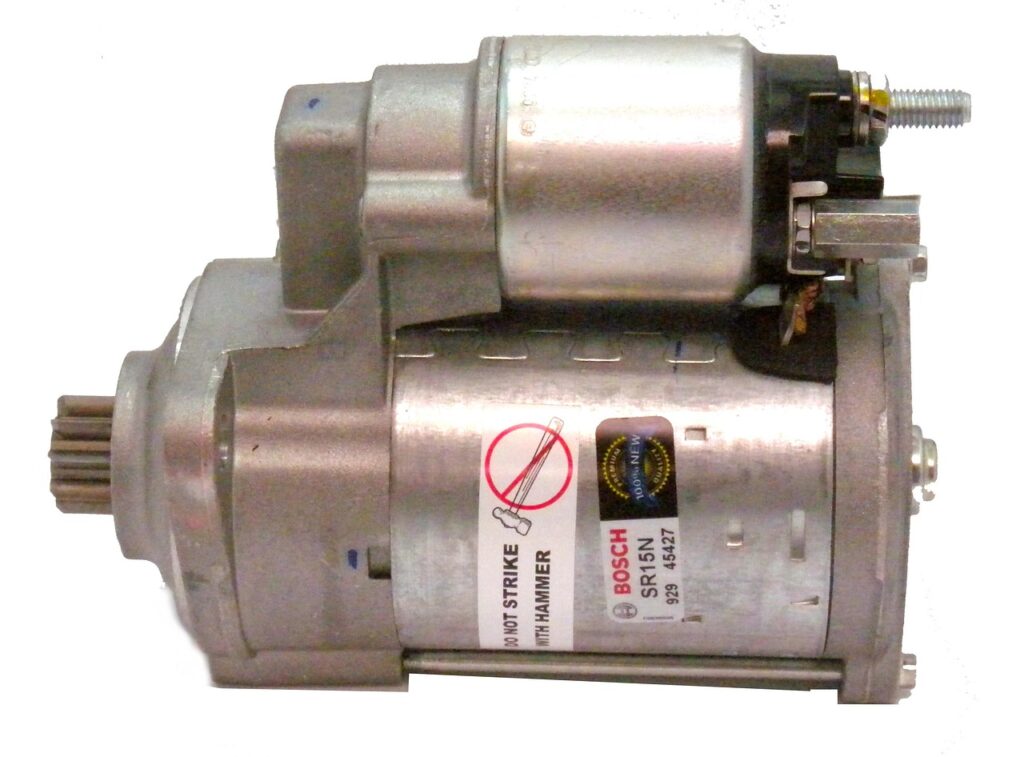
Before diving into the test procedures it is helpful to know what a starter motor is. The starter motor is an electric device which is put in to your engine. When you turn your ignition key or push the start button what happens is the car’s battery sends out power to the starter. The starter motor in turn rotates a small gear (the pinion) which is engaged with the engine’s flywheel and thus turns the engine over to get it to run on its own.
The starter system also has a starter relay and a solenoid. The relay which is a switch allows a small current from the ignition to go to the high current circuit which in turn runs the starter motor. The solenoid’s job is to put the starter gear in position and then to send power which in turn makes the motor spin. If any element of this system goes out relay, solenoid or the motor itself and how to test a starter motor– your car may not start.
Signs of a Bad Starter Motor
Identifying signs of a bad starter will save you time and money. Here are the main symptoms to look for when your starter goes out:.
- Car not starting or cranking.
If you turn the key but nothing changes the engine doesn’t fire up, also you do not hear anything there is a good chance that you have a bad starter motor, as a matter of fact in some cases when your head lights and other electronics are working, that’s what will be happening.
- Key Turning Clicking Sound.
A quick clicking sound, also which may be a single loud click, usually indicates that the starter relay is doing its job but the starter motor is not. This is a telltale sign of starter motor trouble.
- Grumbling or Whining Sounds.
If at start up you hear a grinding that is an indication the starter gear may not be engaging the flywheel. A whirring sound may indicate the motor is spinning but not the engine.
- Recurrent Starting Issues.
If at times your car starts and at other times it does not, you may have worn out brushes or internal contacts in the starter motor.
- Starter remains on after engine starts.
If you see the starter spinning when the engine is running the solenoid or relay may be stuck and the motor is still engaged. This can quickly wear out your flywheel.
- Smoke visible or smell of fire.
During start up issues smoke is a sign of an electrical short or that the starter circuit is overheating.
Tools Needed for Starter Motor Testing
Testing out a starter motor doesn’t require a garage full of tools but you will need a few basic items:.
Digital Volt/Ammeter which also does conductivity tests.
Basic Hand Tools (screwdrivers, wrenches)
Bypass tools and jump starters.
Safety Gear (gloves and eye protection)
Battery Recharger or Booster Pack (optional for weak batteries).
These tools will have you cover the starter motor, test the relay and solenoid, and sort out most common issues.
Step-by-Step: How to Test a Starter Motor Assembly to Function:.
Ready to roll up your sleeves? Here’s how to go about diagnosing starter motor issues step by step:.
- Check the power source first.
A weak or dead battery is often thought to be a bad starter motor. Use your multimeter to check the battery voltage:.
Fully charged: Twelve point six volts or better.
Below 12.3 volts: Battery low.
If you turn on the headlights when you try to start the car and they dim out a lot, the battery or it’s connection may be the issue.
- Hear the Sounds.
Turn the key and pay close attention. Clicking is a sign of relay activity but the motor isn’t. Grinding or whirring sounds are put out by issue in the gears or engagement. And of course no sound at all may be a result of a wiring, relay, or ignition switch problem.
- Do the Tap Test.
Sometimes if a starter motor which has worn brushes or internal contacts can be brought back to life by using a rubber mallet to tap it at the same time someone turns the key. Upon start up of the car the starter is at it’s end.
- Testing the starter motor with a volt meter.
Here is the best way to diagnose electrical issues. Set your digital multimeter to DC volts, then:.
Place the red probe on the starter’s positive side.
Place the black probe on a good ground (engine block or battery negative).
Have the engine cranked and note the voltage.
If your voltage drops off greatly at crank time your starter may be drawing in excessive current which is a sign of internal failure.
Voltage Drop Test: Voltage drop test:.
Check the difference between the battery positive and starter positive terminal while cranking (should be less than 0.5V).
Check that the battery negative is going to the starter body (should also be under 0.5V).
High values indicate corroded cables or poor connections, not a bad starter.
- How to Check Starter Relay and Solenoid.
If you don’t hear any click from the starter, test the starter relay:.
Find the starter relay (usually it is in the fuse box).
When the key is in “start” check the relay output.
If out of voltage the relay is at fault. If there is voltage the issue is somewhere else down the line.
Test out the solenoid by hearing if it makes a loud “click” when you turn the key. If you don’t hear a click that’s a sign the solenoid isn’t working in which case the issue may be with the wiring, the ignition switch, or the solenoid itself.
- How to test starter motor without removing it.
If you think it is the starter but do not want to remove it, you may use jumper cables to get around the relay:.
Carefully attach the positive jumper cable to the starter terminal.
If the starter turns over the issue is with the wiring or relay.
If not, that which is put forth is probably bad.
- Testing out the Starter Motor.
In most auto parts stores we can get them to bench test the starter motor for you. Also you may put the starter in a vise, connect jump leads (positive to terminal, negative to body) and very briefly apply power. If it cranks well, it is most likely good.
Safety Tips for Testing Starters:
In a well ventilated area do so and put on protective gloves and eyewear.
Be sure the car is in park or neutral and the hand break is on.
Do not come in contact with moving elements or connect battery terminals together.
Disconnect the power source first before removing the starter.
When is the time to repair or replace your starter motor.
Repair you may do when you have what is at first simple to see problems like dirty contacts or worn out brushes. That which we do is cleaning out connections and also tightening them up which in turn may sort out high resistance issues. If a tap test improves performance of the starter which may be a short term fix then go for brushes or solenoid replacement which may gain you some more time.
Also should the starter fail a bench test, make grinding sounds, or stay engaged after the engine starts out in such cases replacement is the best option. For persistent starting issues which persist after cleaning and testing it is time to think about a new starter motor or relay.
Final Thoughts:
Diagnosing a car that won’t start can be daunting but with some patience and the right approach you can do it at home. Out to identify the issue you’ll want to look at the common symptoms, use a multimeter for electrical testing, and know which components to repair or which to replace. This will save you time, money, and frustration.
If your car won’t start? Don’t panic this starter motor troubleshooting guide will have you back on the road in no time!