Introduction What Does a Cavity Look Like:
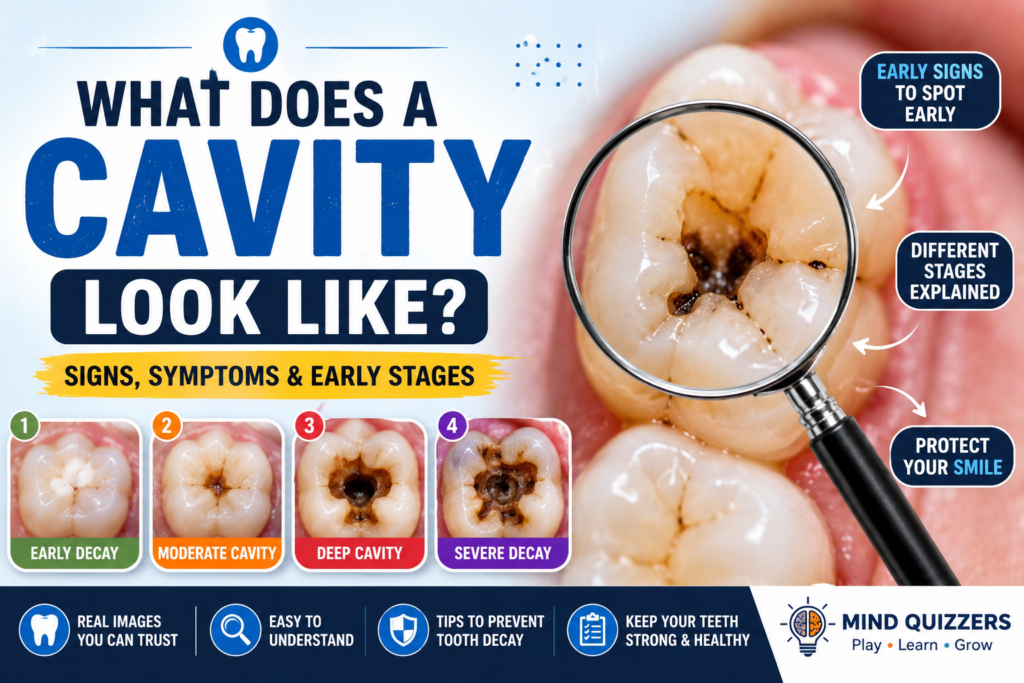
Have you ever thought, what does a cavity look like? If you are a fan of quizzes or a person that is into health facts, you are at the right place! At Mind Quizzers we believe that knowledge is your best defense — especially as it pertains to your smile. We see that cavities, also known as dental caries, are very common, yet many people ignore the early signs of them or do not recognize them as something serious. What we have is that early detection of cavities which in turn may save you from pain, from spending lots of money, and in some cases, from losing your natural teeth.
Many people put off recognizing early cavity signs which is a mistake they think a little spot or issue of sensitivity isn’t a big deal. But in fact if you ignore it cavities can progress into something serious. We put together this in depth guide which will walk you through what a cavity looks like, how it develops, and what to look for at each stage. Also this will help you to keep your teeth in great health and also you’ll do better in our dental health quizzes!
Ready to put your skills to the test? Keep reading and you’ll become a pro at identifying signs of tooth decay.
What Is a Cavity?
A tooth cavity is a damaged area that which creates a hole in the hard tooth structure. Cavities do not just happen at once they develop as a process which includes bacteria, sugar, and plaque. As you eat sugar or starchy foods bacteria in your mouth produce acids. What Does a Cavity Look Like These acids attack your enamel which in turn causes tooth decay.
How Cavities Form
Bacteria + Sugar = Acid: After you have a snack bacteria in your mouth break down the sugar which in turn produces acids.
Acid Damages Enamel: Over time these acids wear away at your tooth’s enamel.
Plaque Buildup: Sticky plaque which contains bacteria and acid adheres to your teeth.
Progression: In the end enamel breaks down and we see the development of cavities that is why it is important to know how they form.
If left alone cavities will grow larger and affect the inner structures of the tooth which in turn may cause pain and in some cases tooth loss.
At what does a cavity look like in first?
Early Signs of a Cavity
So at what point do cavities show up? At first they may present in very mild forms which is also the reason why many people miss the first signs of it:.
White Spots: See if you notice thin white spots on your teeth they are a sign of enamel loss of minerals.
Small Brown or Black Spots: What Does a Cavity Look Like Early tooth decay may present as little brown or black spots, in particular on the chewing surfaces or between teeth.
Rough Texture: Your tooth may have a rough or chalky feel at the site of the cavity.
Warning of what at first may go unnoticed in early stages of cavities.
No Pain (Yet): Most at first cavities don’t cause pain.
Hidden Locations: Cavities usually form in the space between your teeth or the back molars where they may go unnoticed.
These dental cavity signs are a cause to have a regular look at your teeth and note any small changes. If you are into health or science quizzes you will know that which goes early always has the best chance of a win!
Different Stages of a Tooth Cavity
Cavities progress through stages. What Does a Cavity Look Like By understanding which stages of dental cavity development to look for you can see how tooth decay progresses and why it is important to act fast.
1 Initial Enamel Damage.
White Discoloration: You will see white or chalky spots on your teeth.
Weakening Enamel: The tooth is fine for now, but it’s weakening.
2 Average Cavity.
Brown or Black Holes: Tiny holes also which may be of a brown or black color.
Increased Sensitivity: When you eat sweets or cold foods you may feel a twinge.
3 Large Depth.
Visible Holes or Pits: Hole size increases and it is also easier to see or feel them.
Pain While Eating or Drinking: Consuming that which is hot, cold, or sweet may cause pain.
4 Very Advanced Tooth Decay.
Infection & Tooth Damage: The tooth decay may reach into the inner layers which in turn may cause an infection.
Swelling & Severe Pain: Gums may become very painful.
Do you have what it takes to identify the stage of a cavity just from what you see? Try adding this to the next dental health quiz and give it a real run at!
What Color Is a Cavity?
Do you wonder what different colors indicate in terms of tooth decay? As a cavity progress it changes color:.
White Spots: At first stage mineral loss.
Yellow or Brown Discoloration: The cavity progresses to a brown or yellow stage.
Black Cavities: Deep caries often present as black spots, particularly on molars.
A large brown spot on a tooth which is a sure sign that you should see a dentist as soon as possible!
What do cavities look like in different teeth?
Cavities present differently in each tooth. What Does a Cavity Look Like I will go over how they appear in various locations:.
Cavities on Front Teeth
Easier to Spot: These show up as white, brown, or black spots which are easy to see when you smile.
Affects Appearance: Even of the smallest cavities which are present can be seen.
Cavities on Molars
Hiding in Grooves: Molars which have large grooves are prone to cavities.
What does tooth decay appear like on molar surfaces? Look for dark spots or pits.
Cavities Between Teeth
Hard to Detect: These are usually diagnosed via dental X-rays.
What’s the sign of a cavity between your teeth? May be that you’ll see nothing out of the ordinary, but instead feel some discomfort, or notice that food gets caught in it.
Gumline Cavities
Common in Adults: These show up as brown or black lines at the gum line.
Next time you do a dental health quiz on Mind Quizzers look out for questions related to what teeth cavities prefer to hide in! What Does a Cavity Look Like
Common Symptoms That Come With Cavities
Cavities may not cause pain, yet there are signs to watch for. Here is the of list the most common cavity symptoms and tooth decay symptoms:.
Tooth Sensitivity: Discomfort while eating or drinking hot, cold, or sweet items.
Pain While Eating: A painful sensation when you bite is a tell tale sign.
Sensitivity to Hot & Cold: Increased sensitivity to changes in temperature.
Bad Breath or Bad Taste: Persistent bad breath and poor taste may be due to tooth decay.
Gum Irritation Around Tooth: Swelling of a particular tooth.
How to Tell If You Have a Cavity.
If you see these symptoms, in particular pain or spots, you may have a cavity. What Does a Cavity Look Like Still having trouble identifying them? Try out our “Spot the Cavity” quiz on Mind Quizzers to test your knowledge!
How Dentists Diagnose Cavities
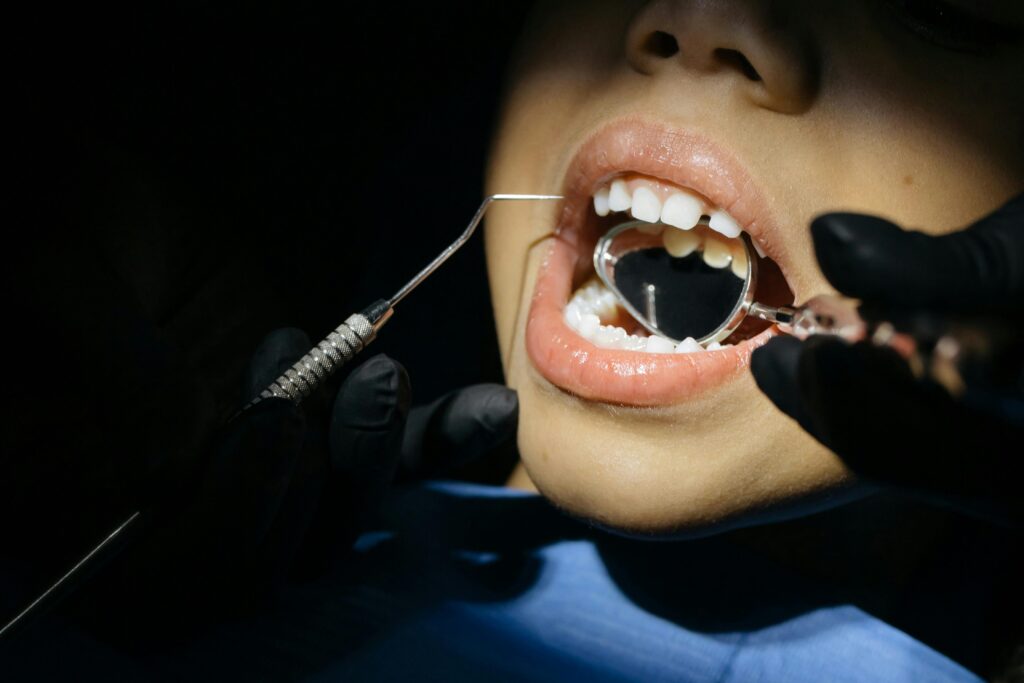
Dentists play the role of detectives in finding cavities:.
Visual Examination: They check for discoloration, pits or holes.
Dental X-Rays: X-rays show which cavities are present and at what teeth they are between.
Tools for Enamel Damage: Dentists use specific tools to identify soft spots.
Regular checkups are the best way out which may not include pain.
Can you fix a cavity at home?
You may think that you can treat a cavity at home. While you may be able to reverse early stages of decay, only a dentist is able to repair a cavity:.
Prevention vs. Treatment: Fluoride in toothpaste does away with cavities which does not mean they will grow back.
Why See a Dentist: Home remedies will not fix tooth holes.
Myth Busting: No cream, paste, or so called “miracle cure” can heal a cavity.
What You Can Do: Maintain good oral hygiene, reduce your sugar intake, and use fluoride which will help in tooth decay.
If you have questions about what is fact and what is fiction in the world of dentistry our quizzes at Mind Quizzers may be just what you’re looking for!
How to Prevent Cavities
Great news you can prevent most cavities! Here are some healthy teeth habits for strong teeth:.
✔️ Brush Twice Daily: Use fluoride tooth paste, at twice the minute mark.
✔️ Floss Every Day: Floss out your teeth to prevent plaque.
✔️ Cut Down on Sugar: Less sugar for less cavities.
✔️ Stay Hydrated: Water flushes out food and bacteria.
✔️ Visit the Dentist: At early stages.
Ready to put your dental health knowledge to the test? Join us at Mind Quizzers for the “Cavity Prevention Challenge”!
When Should You See a Dentist?
Do not wait for pain! Go to your dentist if you have:.
Persistent pain or sensitivity
Visible holes or dark spots
Worsening sensitivity
Bleeding or swelling
Early intervention which in turn reduces damage and simplifies treatment.
Common Myths About Cavities
Let’s set the record straight on these issues so you are always ready for a quiz:.
“Cavities always hurt.” Early ones don’t!
Only cavities that is a problem for adults which also see an increase in issues related to gum recession.
Black spots may not always be serious but do get them checked out by your dentist.
Conclusion
Knowing how a cavity appears is the first step in protecting your smile. Look for white spots, discoloration, rough patches, or pain also do not ignore changes in your teeth. Early detection and dental care is key!
Ready to dive in and see what you know? Go to Mind Quizzers for more health fun, guides, and tips. Your next quiz may just save your teeth!